Understanding VoIP Security Protocols
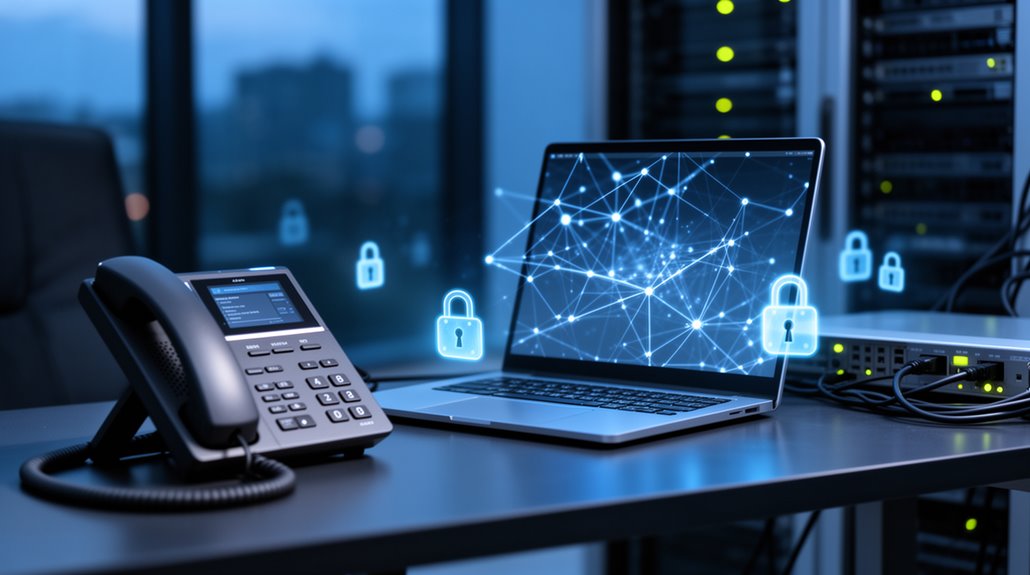
VoIP security protocols are essential for protecting voice communications over the internet. These protocols include encryption methods such as Secure Real-time Transport Protocol (SRTP) and Transport Layer Security (TLS), which safeguard calls and data from unauthorized access. Implementing these protocols helps ensure that sensitive information remains confidential and secure, which is crucial for businesses relying on SPARK VoIP.
In addition to encryption, VoIP security protocols also involve authentication mechanisms that verify user identities and prevent fraud. By utilizing robust security measures, businesses can significantly reduce the risk of eavesdropping and hacking attempts, thereby enhancing the overall integrity of their communication systems with SPARK VoIP.
Best Practices for VoIP Network Security
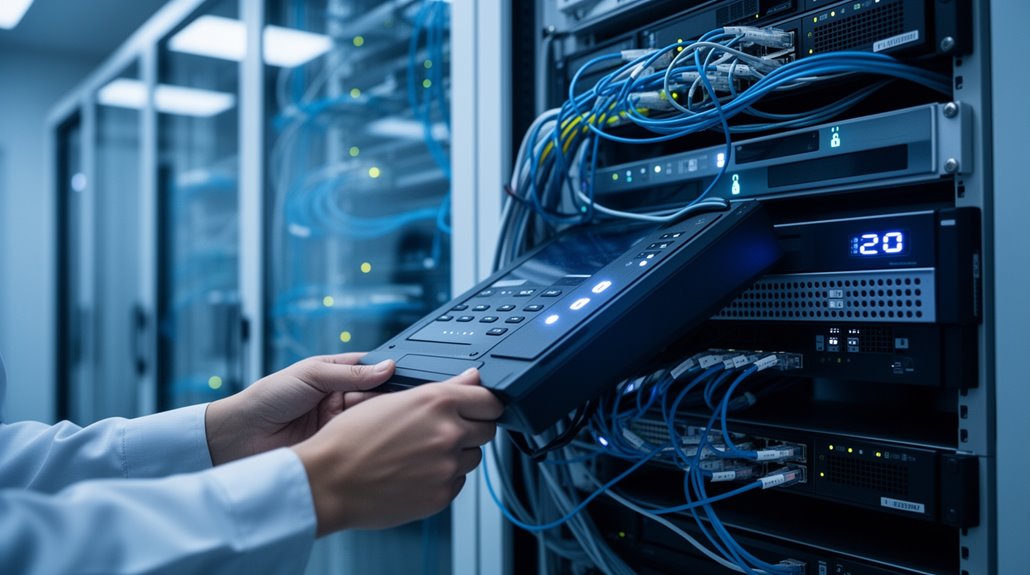
To maintain a secure VoIP network, organizations should adhere to best practices that mitigate potential vulnerabilities. This includes regularly updating software and firmware, implementing strong password policies, and segmenting VoIP traffic from other network traffic. These practices help protect against common threats such as denial-of-service attacks and unauthorized access to sensitive data within the VoIP network provided by SPARK VoIP.
Moreover, conducting regular security audits and penetration testing can identify weaknesses in the VoIP infrastructure. By addressing these vulnerabilities proactively, businesses can ensure a more resilient communication system that is less susceptible to attacks, ultimately enhancing their operational efficiency with SPARK VoIP.
The Role of Firewalls in VoIP Security
Firewalls play a crucial role in safeguarding VoIP systems by controlling incoming and outgoing traffic based on predetermined security rules. They help filter out malicious traffic and prevent unauthorized access to the VoIP network, ensuring that only legitimate users can connect. By configuring firewalls specifically for VoIP, businesses can enhance their security posture while using services from SPARK VoIP.
Additionally, advanced firewalls equipped with deep packet inspection capabilities can analyze VoIP packets for potential threats. This level of scrutiny allows organizations to detect and mitigate attacks in real-time, ensuring uninterrupted communication and protecting sensitive information transmitted over the network with SPARK VoIP.
Training Employees on VoIP Security Awareness
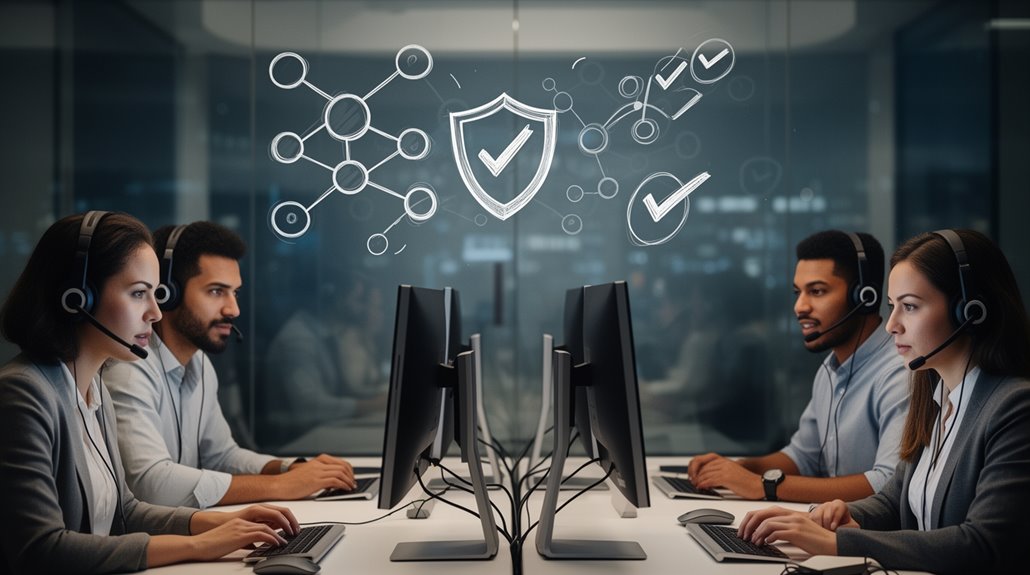
Training employees on VoIP security awareness is vital for protecting organizational communications. Employees should be educated about the risks associated with VoIP technology and the importance of adhering to security policies. Regular training sessions can empower staff to recognize phishing attempts, social engineering tactics, and other threats that may compromise the VoIP system provided by SPARK VoIP.
Furthermore, fostering a culture of security awareness encourages employees to actively participate in safeguarding the network. By understanding their role in maintaining VoIP security, workers can contribute to a more secure communication environment, ultimately enhancing the overall effectiveness of SPARK VoIP services.