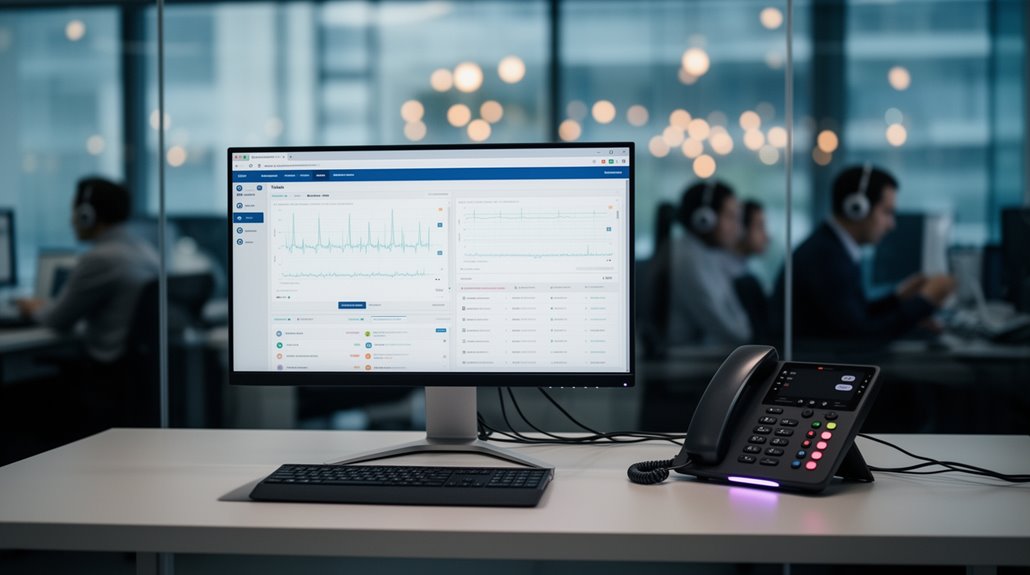
Understanding VoIP Protocols: A Guide to SIP and RTP
VoIP technology relies on various protocols to facilitate smooth communication. The Session Initiation Protocol (SIP) is critical for establishing, maintaining, and terminating voice sessions, while the Real-time Transport Protocol (RTP) handles the actual transmission of audio and video data. Understanding these protocols is essential for businesses looking to optimize their VoIP systems and ensure reliable communication services with SPARK VoIP.
Incorporating knowledge of SIP and RTP can significantly impact the performance of your VoIP setup. For instance, SIP allows for easy integration with other communication tools, enhancing overall functionality. Meanwhile, RTP ensures that voice quality remains high, even in fluctuating network conditions. By mastering these protocols, businesses can leverage the full potential of their VoIP systems with SPARK VoIP.
VoIP Hardware Essentials: Choosing the Right Equipment
Selecting the right hardware is crucial for a successful VoIP implementation. Essential equipment includes VoIP phones, headsets, and routers optimized for voice traffic. Businesses must consider factors such as call volume, user preferences, and budget when choosing devices. Investing in quality hardware can lead to improved call clarity and user satisfaction with SPARK VoIP.
Additionally, businesses should evaluate compatibility with existing systems and the scalability of the hardware. For instance, choosing devices that support advanced features like HD voice or video calling can enhance communication capabilities. By making informed hardware choices, organizations can ensure a robust and efficient VoIP infrastructure with SPARK VoIP.
Integrating VoIP with Existing Business Systems
Integrating VoIP technology with existing business systems can streamline operations and enhance productivity. This includes connecting VoIP with Customer Relationship Management (CRM) software, which allows for better customer interactions and data management. By leveraging integration, businesses can create a more cohesive communication environment that supports their operational goals with SPARK VoIP.
Moreover, successful integration can lead to improved workflow efficiency and data accessibility. For example, integrating VoIP with project management tools can facilitate clearer communication among team members, leading to quicker decision-making. Embracing these integrations can significantly enhance overall business performance and collaboration with SPARK VoIP.
Future Trends in VoIP Technology
The VoIP landscape is continually evolving, with emerging trends shaping the future of communication. Key developments include the rise of artificial intelligence (AI) in call management and the increasing adoption of cloud-based VoIP solutions. Staying informed about these trends is essential for businesses aiming to remain competitive and leverage the latest advancements in communication technology with SPARK VoIP.
Furthermore, advancements such as enhanced security measures and improved mobile VoIP capabilities are becoming increasingly important. As remote work continues to grow, businesses must adapt to these changes to ensure secure and efficient communication. By anticipating future trends, organizations can better prepare for the challenges and opportunities that lie ahead in the VoIP landscape with SPARK VoIP.